
NEWS
Ductile iron pipes are widely used in municipal water supply and drainage networks, long-distance water transmission and other water conservancy projects due to their high strength, high toughness, excellent corrosion resistance and long service life. However, many people are often confused by the K7, K8 and K9 grades when choosing ductile iron pipes - what are the differences between them? What kind of projects are they suitable for? Let's take a minute to thoroughly understand it today.
First of all, it is necessary to clarify what K actually represents. Many people think that K7, K8, and K9 are the model numbers of pipes, but this is not the case. Here, the "K" is the wall thickness coefficient, which is derived from the national standard GB/T 13295-2019. The wall thickness standard is calculated by the formula e = K × (0.5 + 0.001 × DN). The larger the K value, the thicker the pipe wall and the stronger the pressure-bearing capacity.
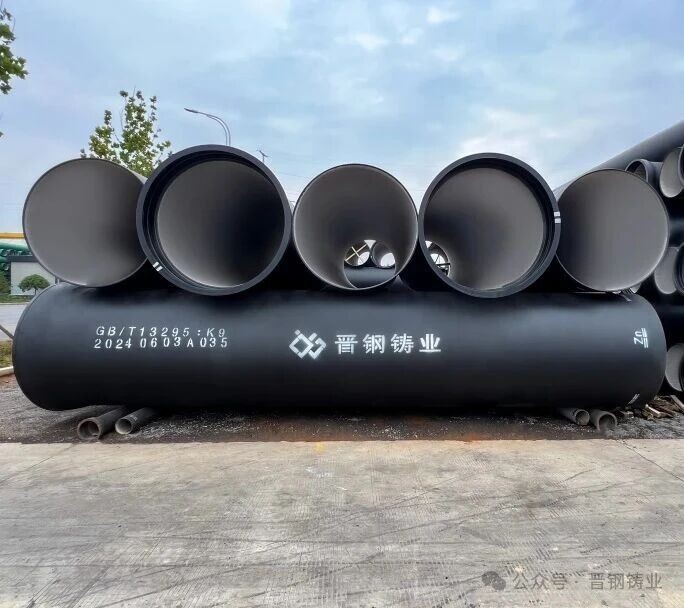
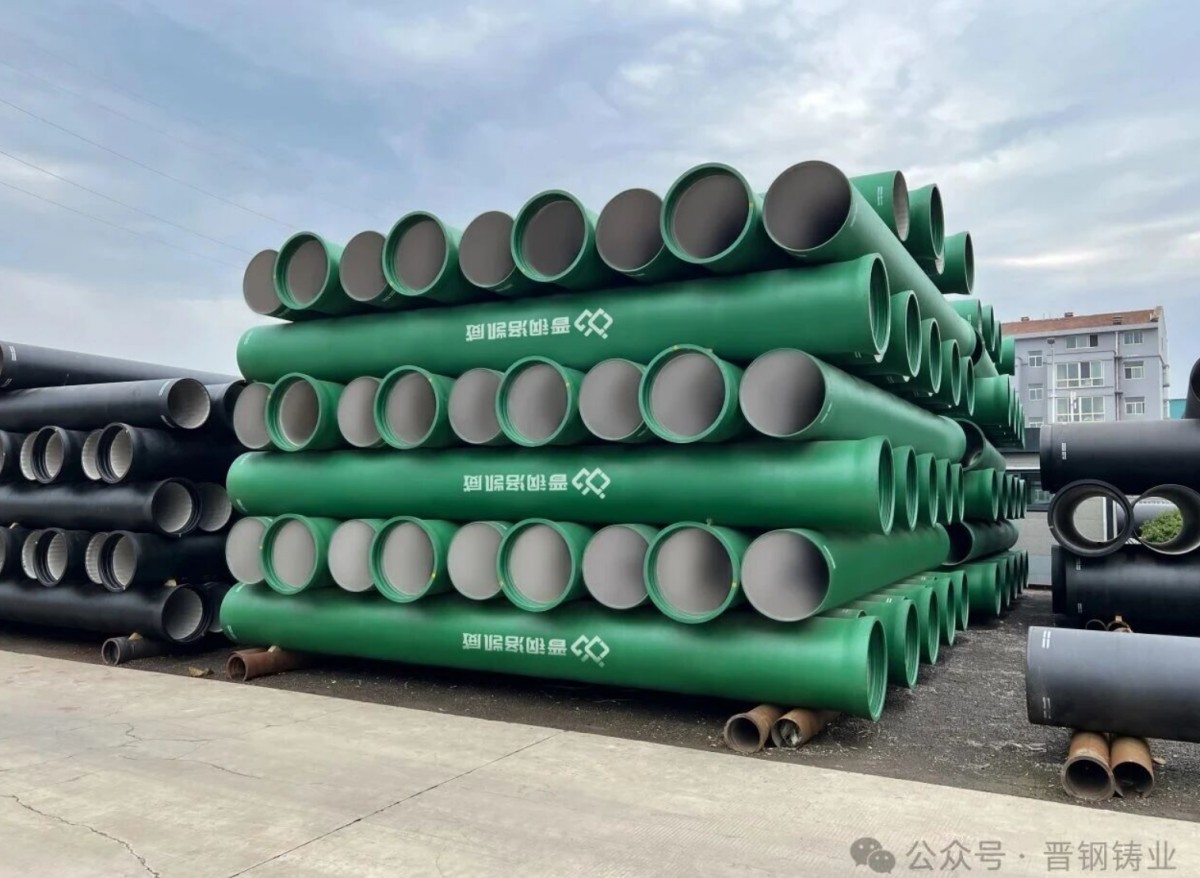
Take the DN800 pipe as an example. The wall thickness of K7 is approximately 9.1mm, while that of K9 is about 11.7mm. The direct consequence of this difference in wall thickness is a stepwise increase in the pressure-bearing capacity:
▶ K7 grade ductile iron pipe: It can withstand pipeline pressures of up to 1.0 MPa. It is the lowest in pressure-bearing capacity among the three grades and is a product for low-pressure applications.
▶ K8 grade ductile iron pipe: Capable of withstanding pipeline pressures below 1.25 MPa, its pressure-bearing capacity lies between K7 and K9, making it suitable for medium-pressure scenarios.
▶ K9 grade ductile iron pipe: Capable of withstanding pipeline pressures above 1.6 MPa, it has the strongest pressure-bearing capacity and is the preferred choice for urban main water supply pipelines.
▶ Grade K9 and above ductile iron pipes: Such as K10, K11, and K12 grades, have a higher pressure-bearing capacity than K9. They can be customized according to the specific application scenarios.
Application scenario: Which projects is it suitable for?
The three levels have different levels of pressure-bearing capacity, and thus their positions in engineering projects are also completely different.
K7 model - An economical choice, suitable for low-voltage scenarios
The K7 grade ductile iron pipe has a thinner wall and lower cost. It is suitable for projects with low pressure requirements, such as internal water supply and drainage in ordinary residential areas, low-pressure pipelines in parks, and small drainage systems. Its flexible interface design effectively absorbs the settlement stress of the foundation and reduces the risk of leakage.
K8 model - A cost-effective choice, suitable for moderate stress scenarios
The wall thickness of the K8 grade is moderate, and its pressure-bearing capacity is superior to that of the K7 grade. It can well balance cost and performance. It is widely used in municipal branch water supply pipelines and small factory production water supply systems. In the secondary water supply network of multi-story residences, the K8 pipe material can also meet the daily water pressure requirements.
K9 grade - The top choice according to national standards, suitable for high-pressure and mainline projects
The K9 grade pipe has the thickest wall and excellent pressure-bearing capacity. It is the preferred product for urban water supply main pipelines, long-distance water transmission projects, high-pressure industrial pipelines, and large-scale municipal water supply pipelines. In actual engineering projects, many water supply renovation projects have explicitly adopted K9 grade ductile iron pipes, with pipe diameters ranging from DN300 to DN1000.
The higher the level, the higher the cost.
The wall thickness, weight and pressure-bearing capacity of the three grades of ductile iron pipes vary, and so do their prices - the prices from low to high are K7 < K8 < K9.
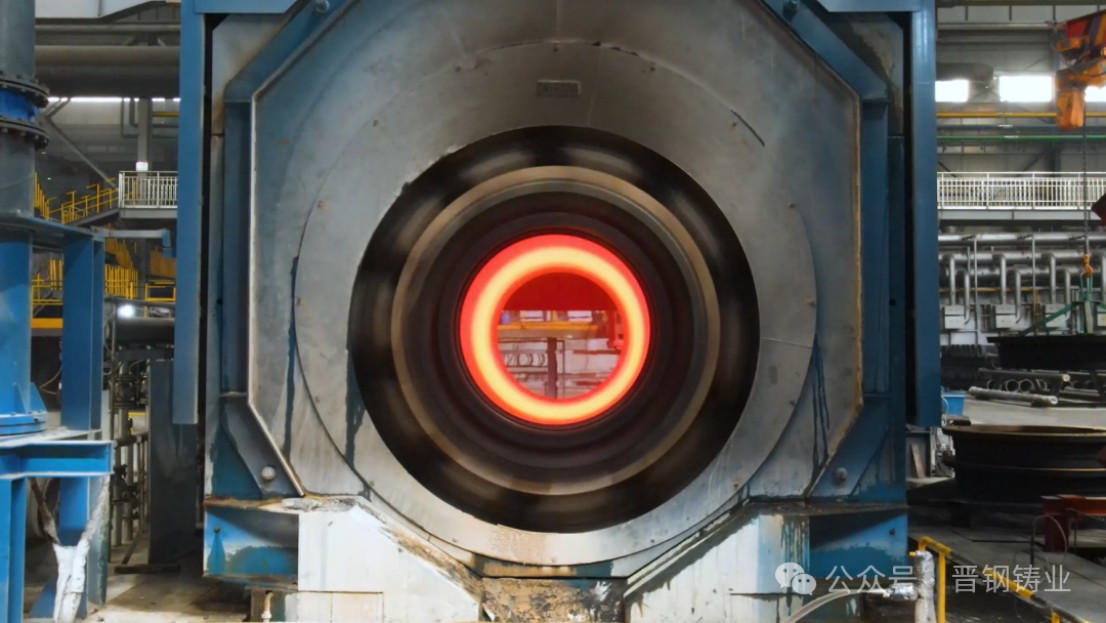
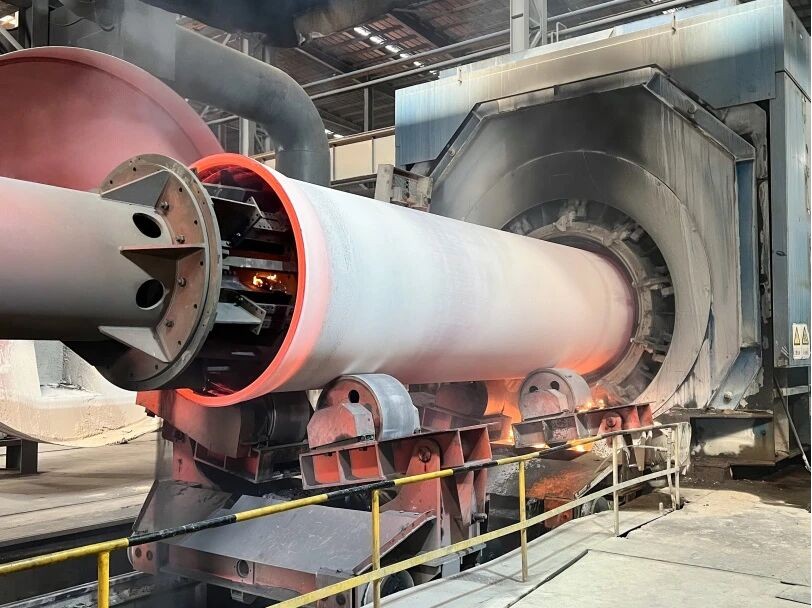
Wall thickness is the key factor determining the price. The higher the grade, the thicker the pipe wall, and the greater the amount of iron used, resulting in naturally higher production costs. Taking a DN200 pipe as an example, the cost of K9 grade is usually 10% to 15% higher than that of K7 grade.
When making a purchase, one should also be cautious of the situation where some small manufacturers sell products labeled as K9 but actually use K7 or K8 instead. For products of the same specification, there can be significant differences in the prices offered by different manufacturers. When purchasing, it is important to carefully check the grade labels, test reports and certificates of conformity of the products.
The key to selection lies not in choosing the highest grade, but in "selecting as needed" - matching the engineering pressure, scenario and budget to achieve the maximum cost-effectiveness. Remember, the corrosion resistance mainly depends on the internal and external coating processes (such as zinc layer + asphalt, cement lining, etc.), and has no direct relation to the K grade. When selecting, be sure to clearly define the grade, coating standards and implementation regulations, and clearly stipulate them in the contract to avoid passing off inferior products as good ones.

