
NEWS
In modern infrastructure development, pipeline systems serve as the lifeblood of cities, facilitating the delivery and disposal of water resources. Among the many types of pipes available, ductile iron pipes have become indispensable in the water supply and drainage sector due to their outstanding overall performance.
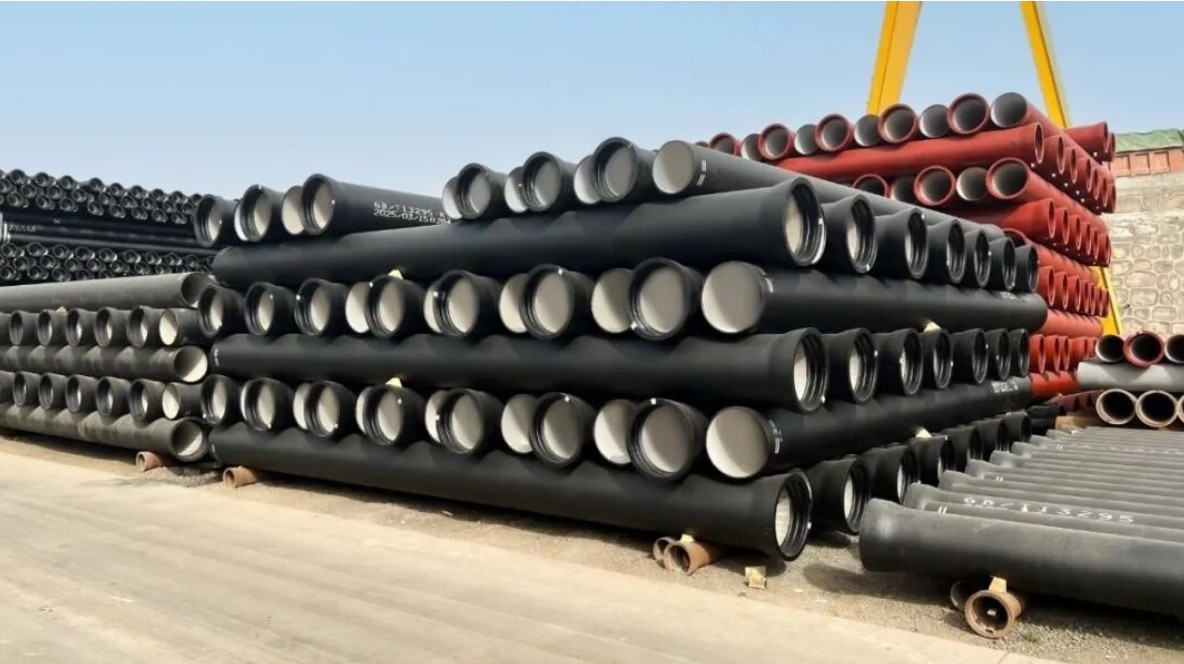
Ductile iron pipes are manufactured by casting molten iron—to which a spheroidizing agent has been added—using high-speed centrifugal casting. They possess mechanical properties similar to those of carbon steel, combined with the corrosion resistance characteristic of cast iron. In the piping industry, due to their corrosion resistance, wear resistance, high-temperature resistance, high toughness, and ease of installation, they have gradually become the safest and most reliable piping material in today’s water supply and drainage sectors.
Ductile iron pipes represent a revolutionary improvement over traditional cast iron materials. Using high-quality molten iron as a base, the addition of spheroidizing agents (primarily magnesium powder) during the casting process transforms the graphite, which originally existed in flake or network-like distributions, into a uniform spherical structure. This change in microstructure completely reverses the inherent “hard and brittle” nature of cast iron, endowing the pipe with “the essence of iron and the performance of steel,” thereby combining high strength with high toughness.
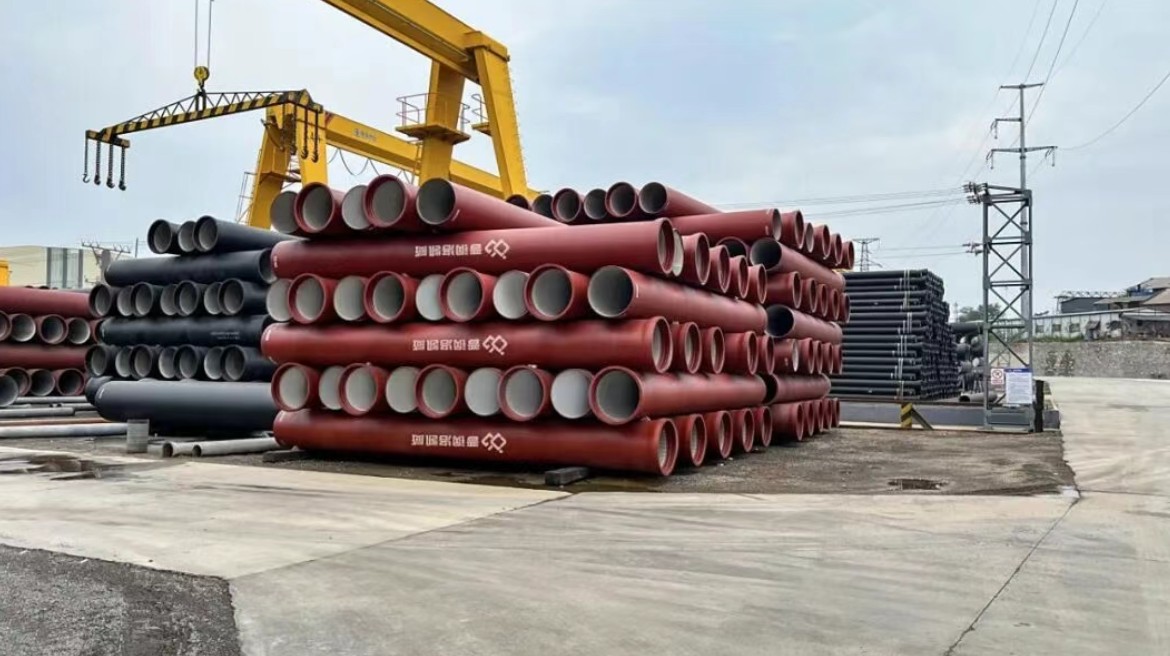
To further optimize performance, the tubes typically undergo a rigorous annealing process. This process is designed to eliminate free carbides in the as-cast microstructure, decompose the eutectoid carbides in the pearlite, and ultimately produce a ferrite-dominated matrix microstructure. By precisely controlling the carbon content, the microstructure and mechanical properties of the tubes are significantly improved to meet the requirements of national standards.
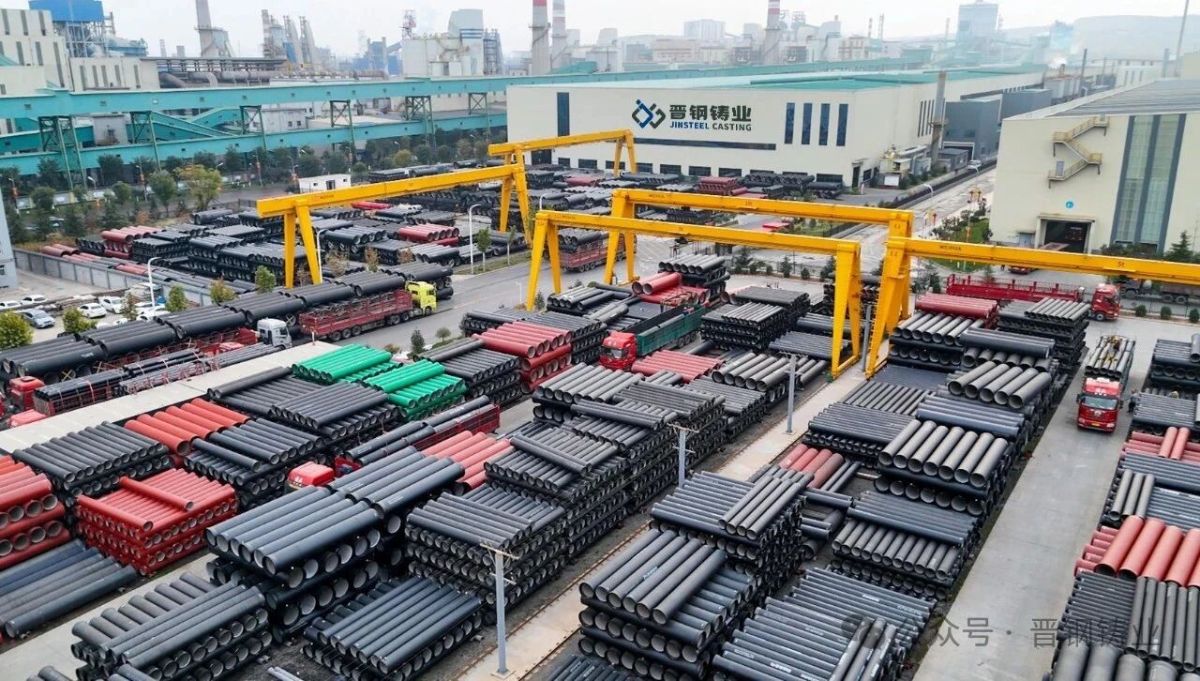
It is precisely this excellent ductility and impact resistance that enable ductile iron pipes to perform exceptionally well in complex construction environments and during long-term pipeline network operation. They effectively withstand stress shocks caused by ground settlement and are resistant to bending or fracture. Even under harsh climatic conditions or in highly corrosive environments, their corrosion resistance and hydraulic performance remain stable and reliable. Compared to other pipe materials, ductile iron pipes not only adapt to diverse installation conditions but also significantly reduce long-term maintenance costs thanks to their exceptionally long service life.
Ductile iron pipes also offer significant convenience during installation. Taking the common T-joint as an example, installation is quick and provides a tight seal, while allowing the pipe to deflect within a certain angle. This not only simplifies the construction process but also flexibly accommodates directional changes required during long-distance municipal pipeline installation, perfectly meeting the stringent standards for efficient construction in long-distance water transfer and municipal engineering projects.

