
NEWS
Within urban pipeline networks, water supply pipes and drainage pipes are two common yet functionally distinct types of piping. Each is tasked with discharging different types of water flow. Below is a comparison of these two pipe systems.
1.Application Areas
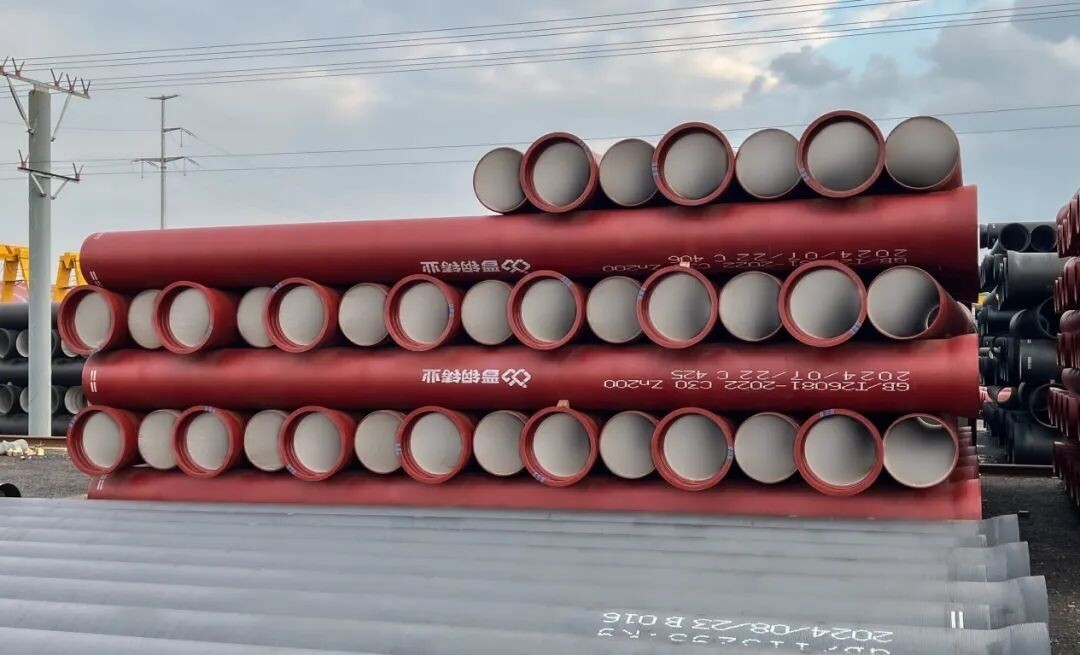
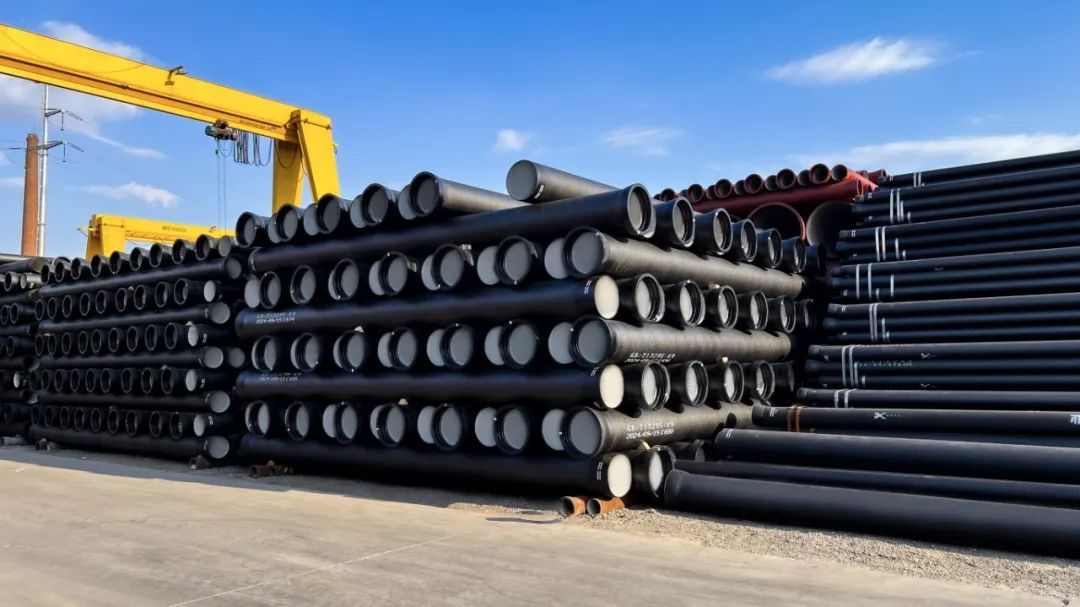
Ductile Iron Pipes for Water Supply: Primarily used for conveying potable water, these pipes typically require higher pressure ratings to ensure continuous and safe water supply. They are usually black in appearance.
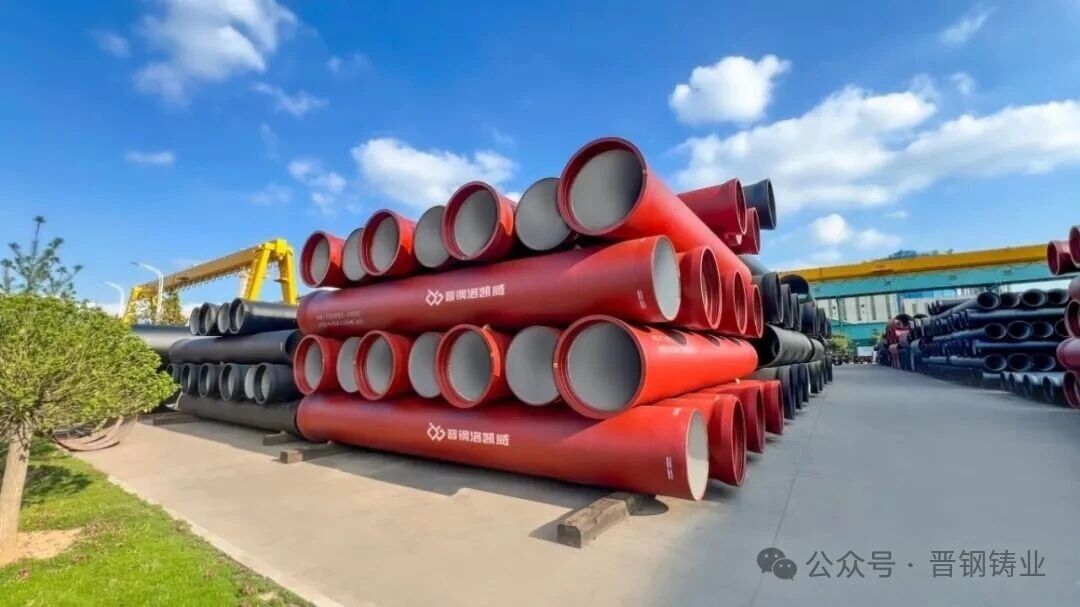
Ductile Iron Pipes for Storm and Sewer Systems: Primarily used in drainage systems for rainwater and sewage, these pipes generally have lower pressure requirements since flow is primarily gravity-driven. They are typically red in appearance.

2.Corrosion Resistance
Due to their differing environments and the media they transport, these two types of pipes exhibit distinct corrosion resistance properties. Ductile iron pipes for water supply primarily resist water corrosion, while those for rainwater and sewage require resistance to chemical corrosion, as rainwater and sewage may contain various chemical substances.
3.Pipe Pressure Rating
Ductile iron pipes for water supply must withstand high internal pressures to ensure stable and safe water delivery. Pressure ratings are typically classified as PN10, PN16, PN25, and so on.
Ductile iron pipes for rainwater and sewage systems have relatively lower pressure ratings, primarily bearing the weight and impact forces of water flow. Common pressure ratings include PN6 and PN10.
4.Material and Performance
Ductile Iron Pipes for Water Supply: The inner wall is typically lined with ordinary cement mortar, while the outer wall features a zinc coating plus black epoxy paint for corrosion protection. They offer higher strength, pressure resistance, and impact resistance to ensure stable and safe water supply.
Ductile Iron Pipes for Storm and Sewer Applications: The inner wall is typically lined with high-alumina cement, offering superior resistance to acids and alkalis. The outer wall also features a zinc coating with red epoxy paint. These pipes deliver enhanced corrosion resistance and wear resistance to withstand complex drainage environments and media.
In summary, water supply pipes demand higher standards for hygiene, safety, and pressure resistance, while rainwater and sewage pipes prioritize corrosion resistance and mechanical strength. These differences exist to meet distinct usage requirements and environmental conditions.

