NEWS
The melting section is responsible for the preparation of molten iron in the production process of ductile iron pipes. The process includes: molten iron supply—molten iron heating and tempering—molten iron magnesium injection for spheroidization—molten iron quality inspection.
Iron supply
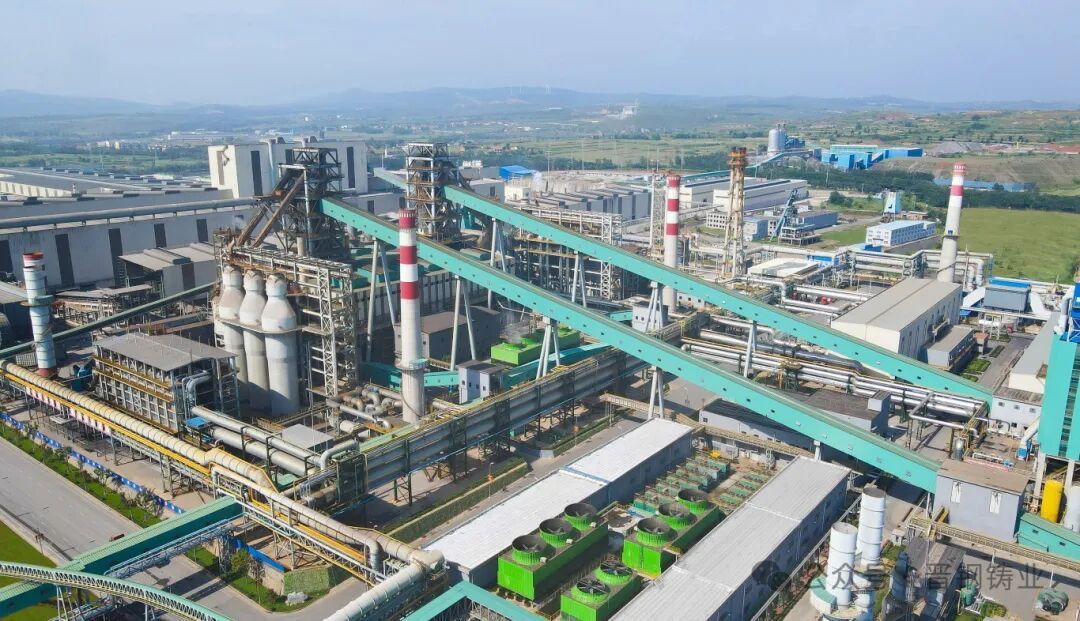
There are a total of 5 blast furnaces (2 with an area of 1250 square meters, 2 with an area of 1380 square meters, and 1 with an area of 380 square meters) in the Jingang Industrial Park. Among them, the molten iron from the No. 5 380 square meter blast furnace is exclusively used for the production of ductile iron pipes by Jingang Casting Industry.
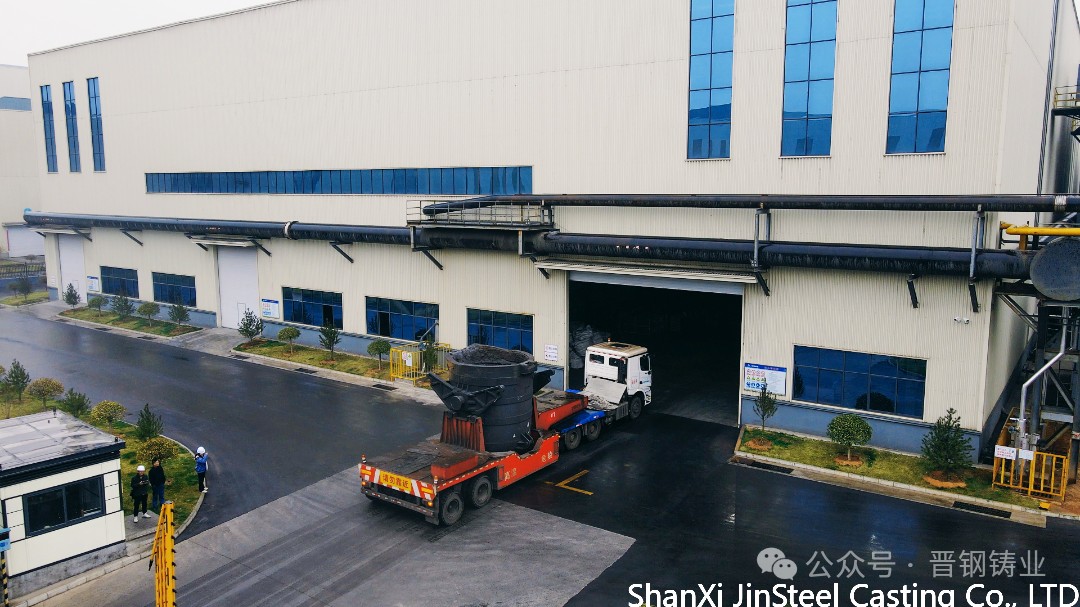
The molten iron is transported in batches by specialized tank trucks from Jingang Industrial Park to the pipe casting factory, with a daily supply of over 1000 tons.
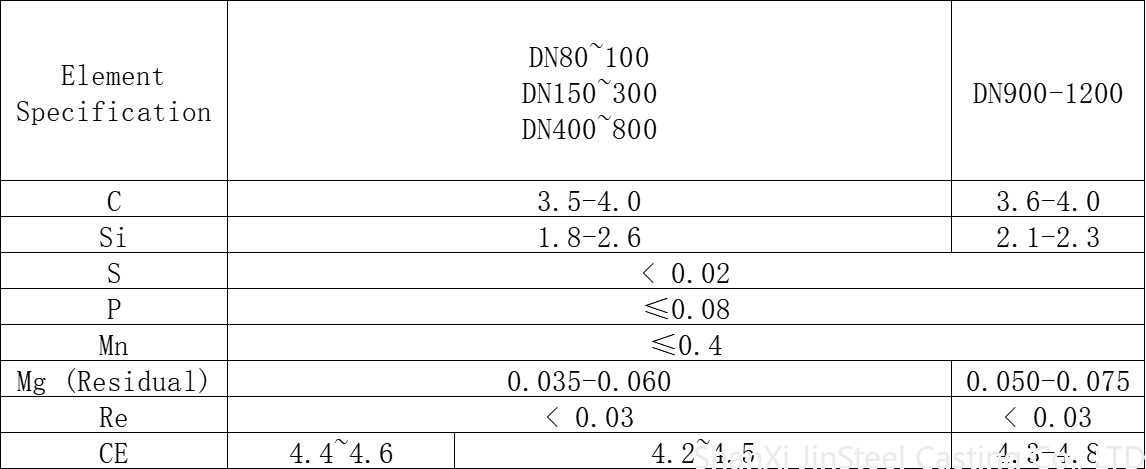
Requirements for the content of main elements in molten iron (%)

Heating and tempering of molten iron
1、 Iron quenching and tempering
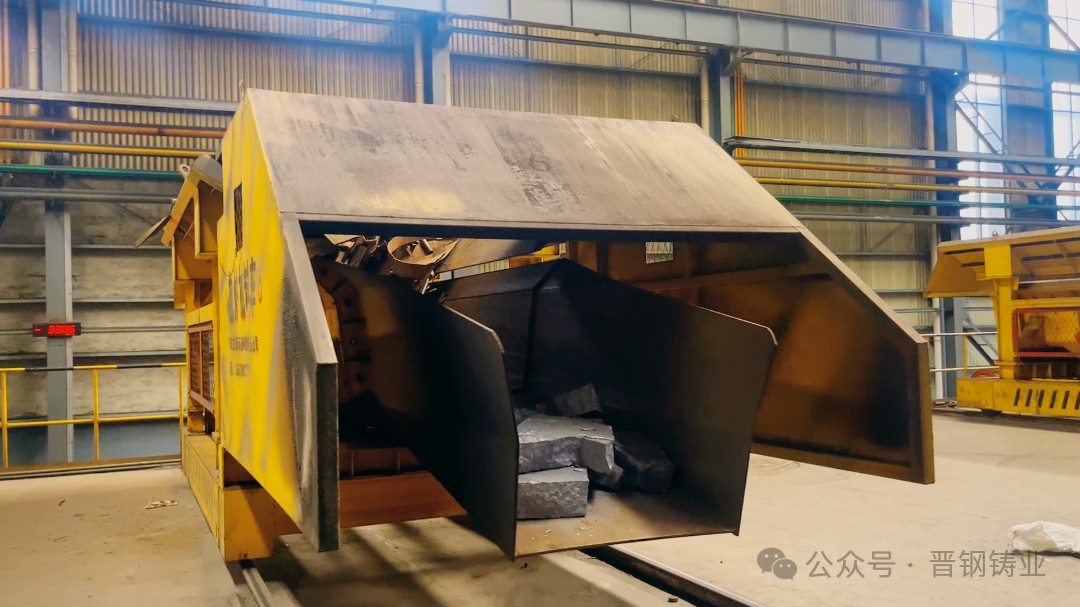
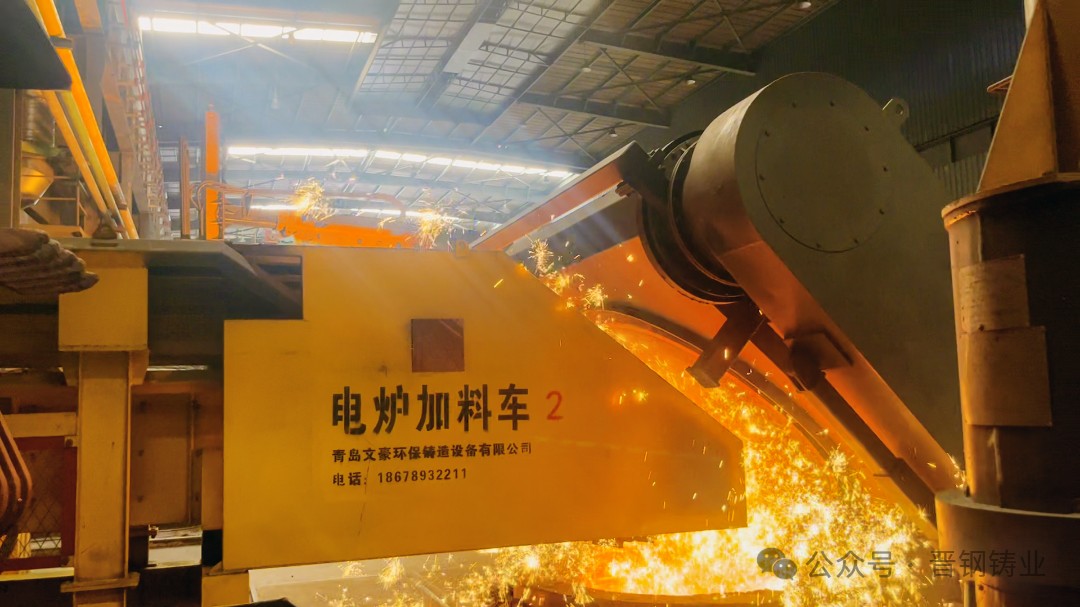
Adjust the carbon C, silicon Si, manganese Mn, sulfur S, phosphorus P, and carbon silicon equivalent CE in the molten iron. During the quenching and tempering process, add silicon iron alloy (chemical particles with 72% silicon content) and scrap steel cold material in proportion to meet the process requirements after quenching and tempering.
2、 One spheroidization
Adding ferrosilicon alloy inoculant promotes iron water spheroidization and graphitization, making graphite finer, rounder, and more evenly distributed.
3、 Reduce carbon and increase silicon
The molten iron in the blast furnace has a high carbon content and low silicon content. Adding scrap steel cold material to reduce carbon and increase silicon content in the molten iron can meet the production process requirements.
4、 Slag processing
Add slag aggregating agent (silicon dioxide component) to condense impurities in the molten iron into clusters, which are then removed from the furnace by a slag catcher.
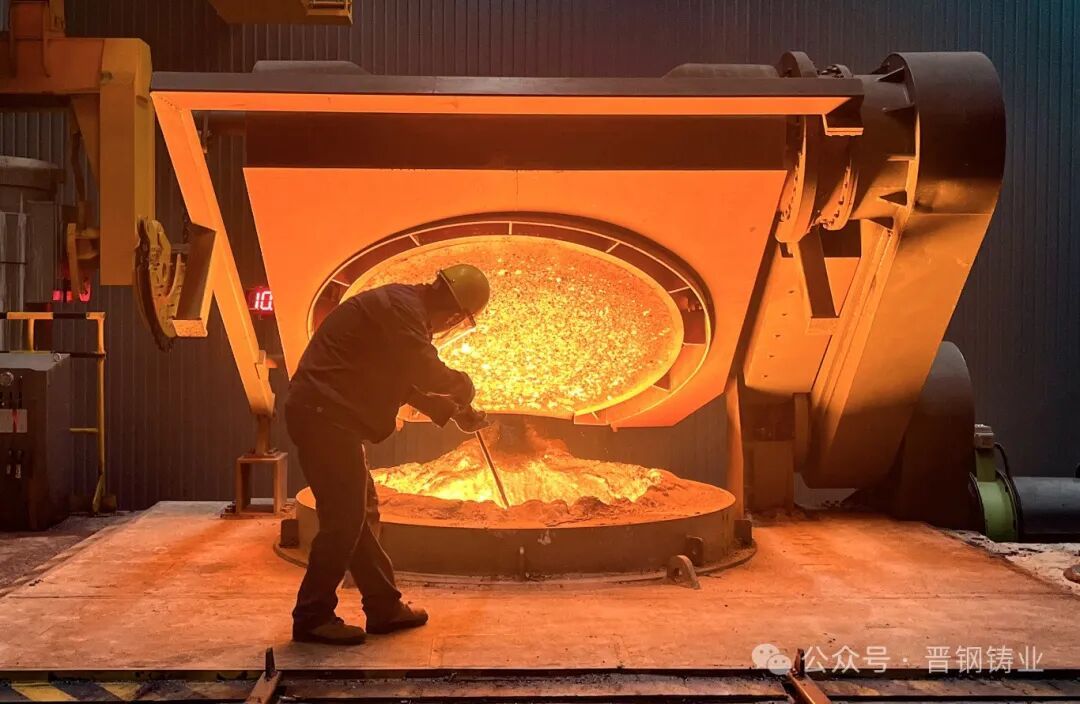
5、 Iron tapping temperature
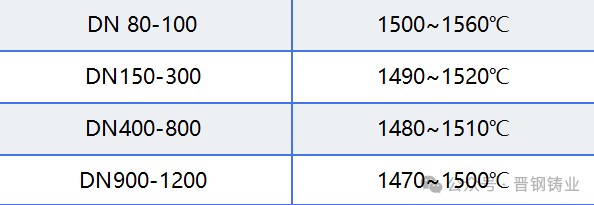
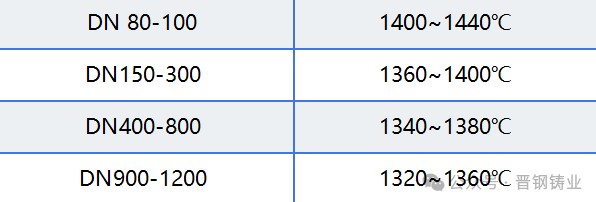
The tapping temperature of the intermediate frequency furnace needs to meet the production requirements of the centrifuge. It should be controlled and adjusted according to the pouring temperature requirements of the centrifuge fan pack, production specifications and pace, as well as the cooling situation of the molten iron.
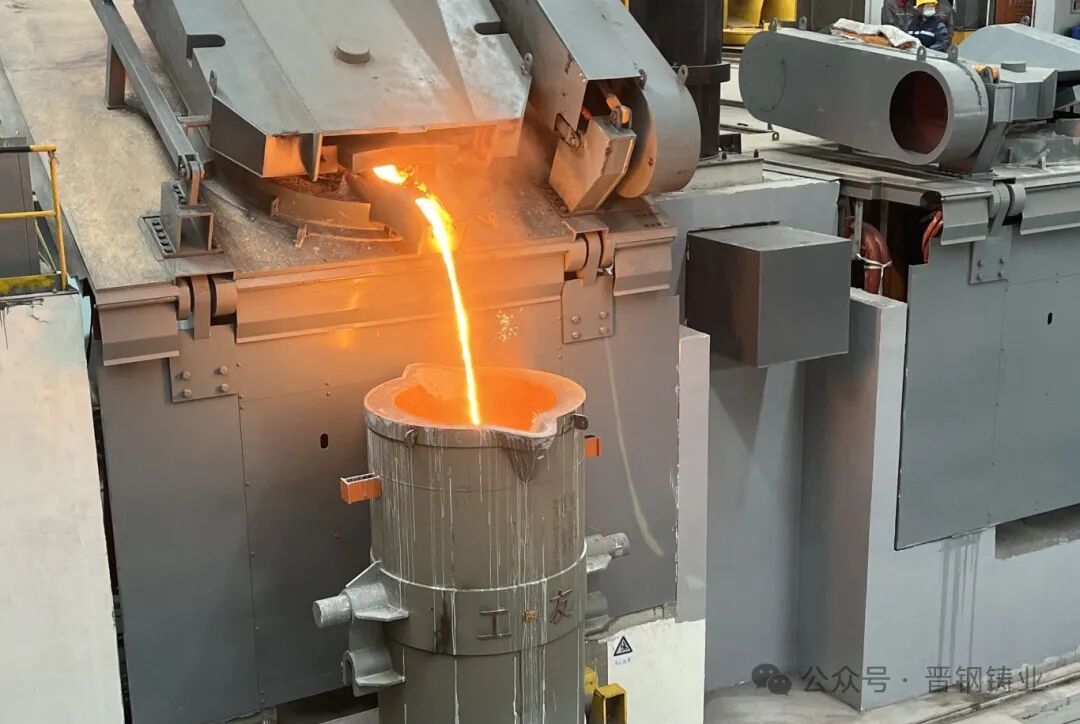
Requirements for tapping temperature of intermediate frequency furnace:
Spheroidization treatment of molten iron
After completing the heating and tempering process, the molten iron is subjected to magnesium injection spheroidization treatment to make the graphite in the cast iron spherical, with high strength, good plasticity and toughness, and comprehensive mechanical properties close to steel.
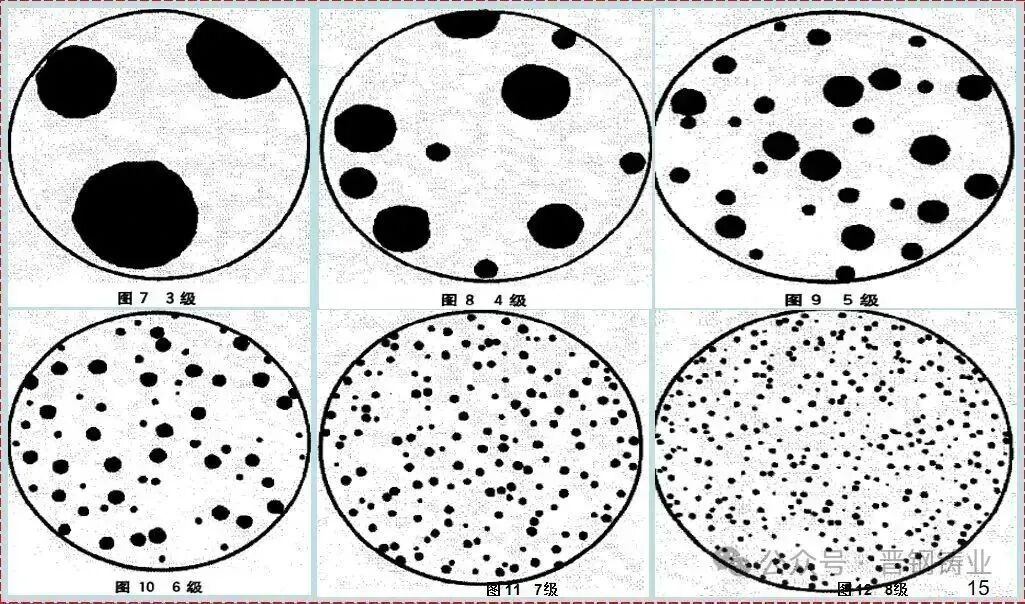
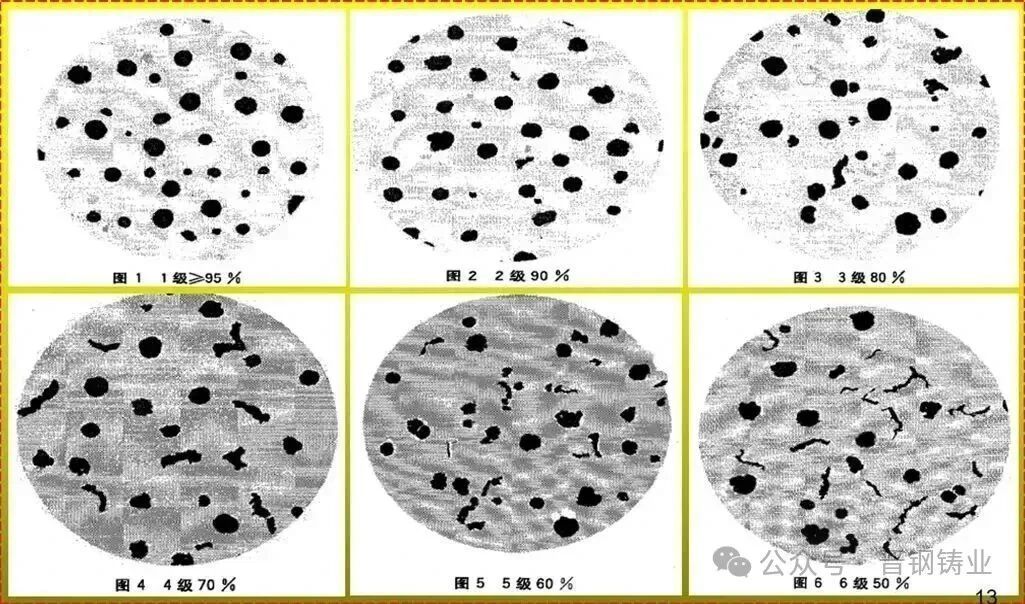
Requirements for controlling the main components of molten iron after spheroidization:
Requirements for spheroidization of molten iron
Temperature requirements for adding molten iron to the fan-shaped ladle

Timely spheroidization of molten iron requires timeliness. If the molten iron is not poured into shape within a certain period of time, the pearlite in the molten iron will gradually decay into worm like structures.
The temperature is suitable and meets the process requirements for centrifugal casting of ductile iron pipes.
Quality inspection of molten iron
First test: Sampling and testing of blast furnace molten iron
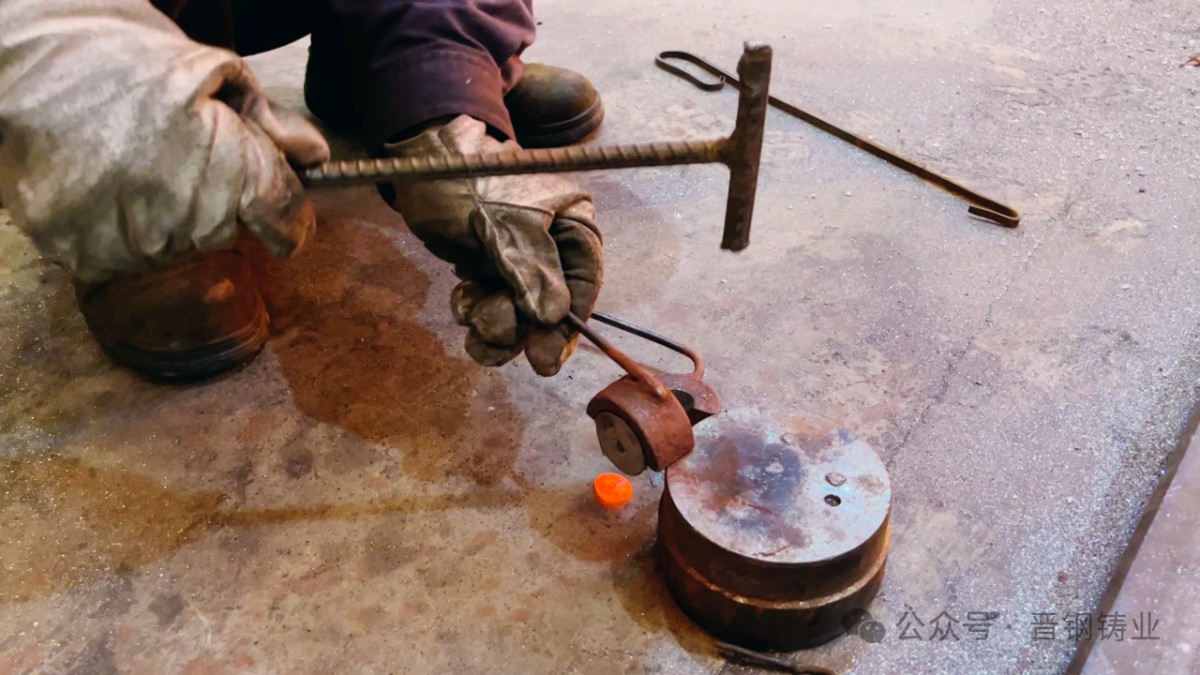
Second test: Sampling and testing of modulation components in the intermediate frequency furnace
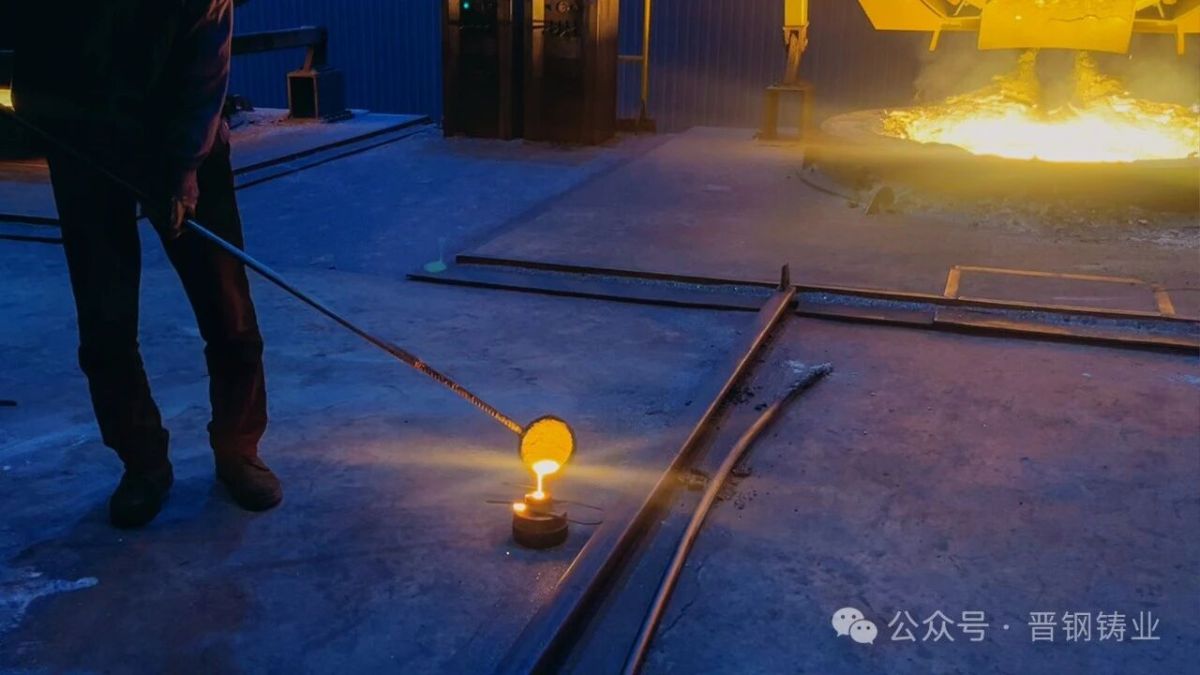
Third test: Sampling and testing before pouring after magnesium spheroidization
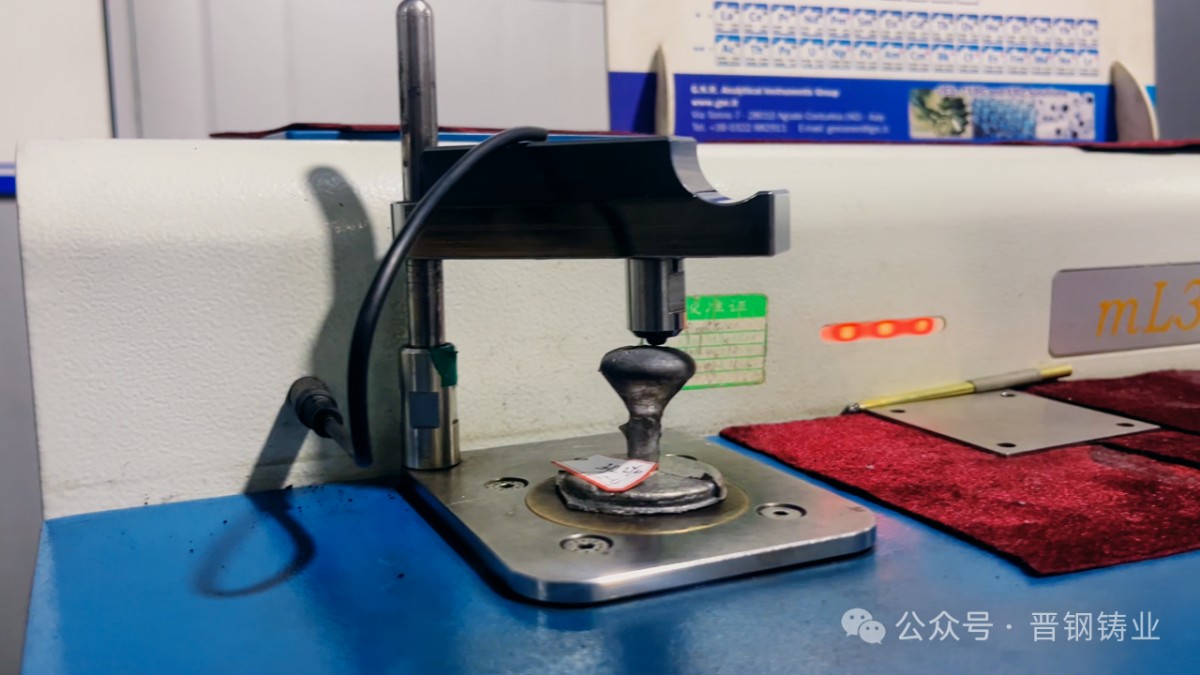
Iron quality testing instrument: Full spectrum direct reading spectrometer, which performs chemical composition spectral analysis on iron samples. After passing the test, the iron can flow into the next process.