NEWS
With the comprehensive advancement of urban-rural integrated water supply projects, solving the problems of long-distance and cross-regional water transportation, ensuring the stability, safety and economy of water supply, has become the core demand of water conservancy projects and municipal projects. Among various types of water supply pipes, ductile iron pipes, due to their unique performance characteristics, have become the preferred pipe material for long-distance water transportation projects, strengthening the "life line" for urban-rural water supply integration, and providing strong support for various water supply projects to reduce costs, increase efficiency and achieve long-term operation.
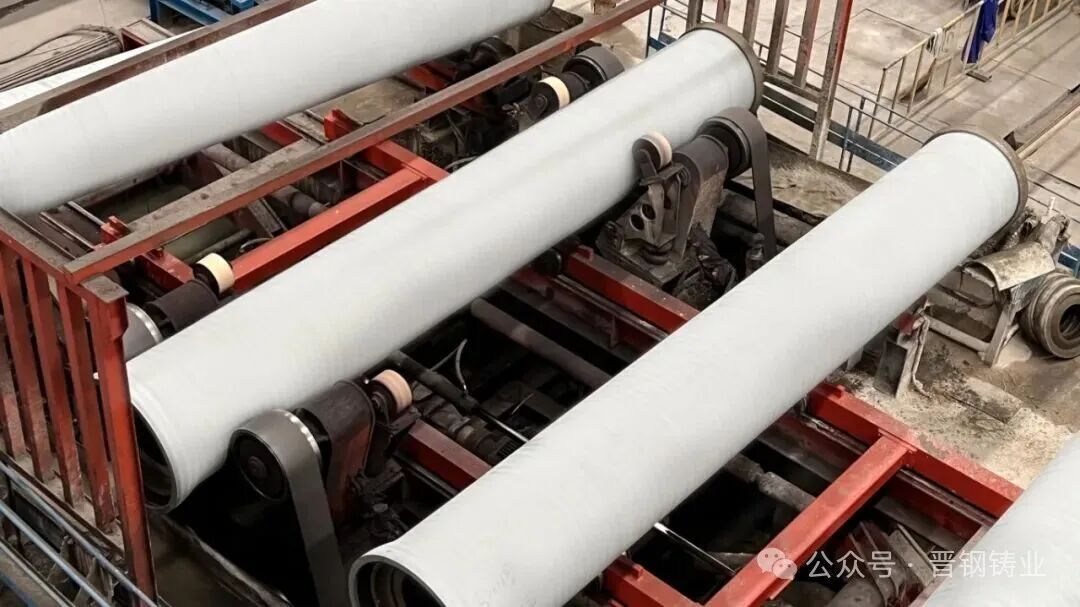
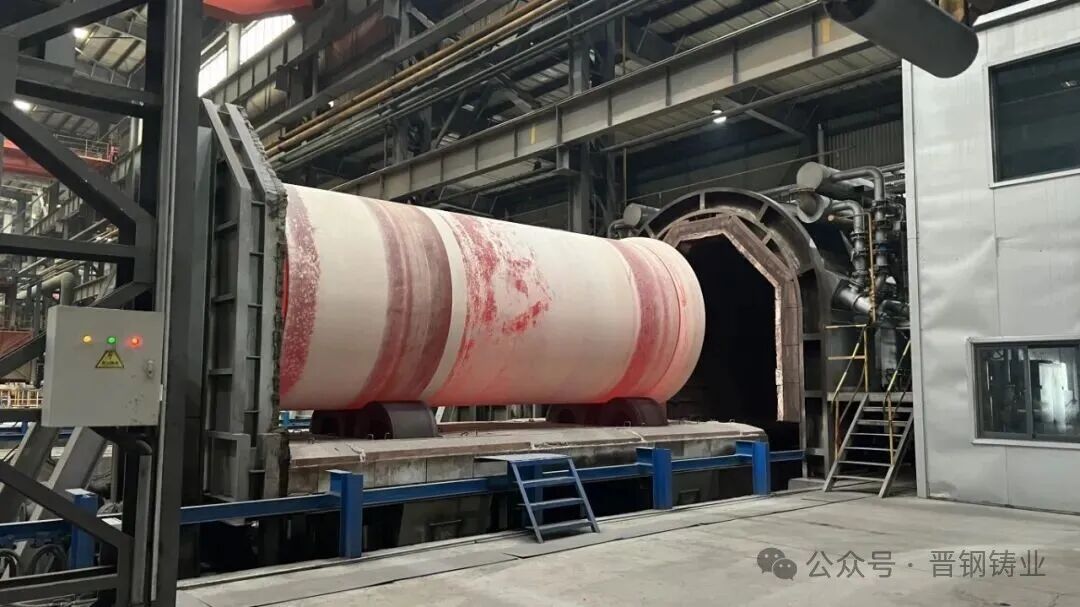
Spheroidal graphite cast iron pipes are hailed as "the essence of iron and the performance of steel". Their microstructure has been treated by spheroidization, converting the plate-like graphite in traditional gray cast iron into spherical form, thereby increasing the tensile strength of the material to over 420 MPa while maintaining an elongation rate of no less than 10%. This "combination of rigidity and flexibility" characteristic enables these pipes to exhibit outstanding adaptability when subjected to internal water pressure and external loads - they can not only withstand water hammer impacts but also absorb displacement caused by foundation settlement through flexible interfaces.
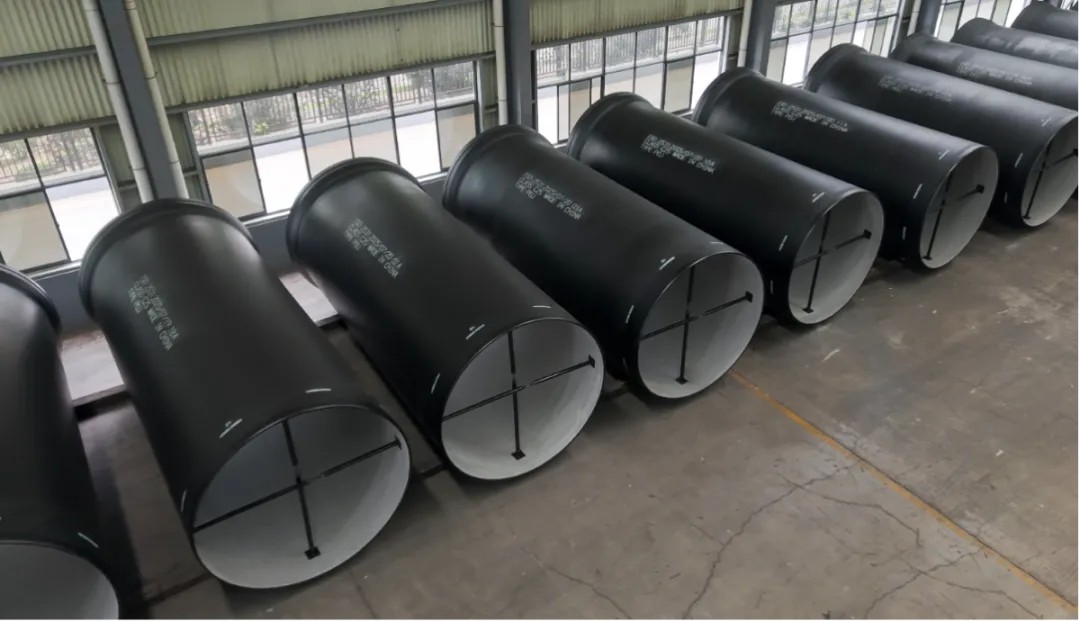
Long-distance water pipelines often pass through various soil environments, ranging from acidic soil to areas with high salinity and alkalinity, presenting different corrosion risks. The ductile iron pipe builds a robust protective barrier through a multi-layer anti-corrosion system: the outer wall is coated with a zinc layer (not less than 200g/m²) and an asphalt paint layer, while the inner wall is lined with cement mortar, forming a dual protection of physical barriers and electrochemical protection.