
NEWS
In the application of ductile iron pipes, the selection of the inner lining material directly affects the service life of the pipeline, water quality safety, and the overall cost of the project. The common inner lining solutions available on the market are cement lining and epoxy resin lining. So, which one is more suitable for your project? Today, we will conduct a comprehensive comparison.
The cement lining can be regarded as the "classic companion" of ductile iron pipes. It is mainly made of materials such as silicate cement and aluminosilicate cement, and a dense protective layer is formed on the inner wall of the pipe through the centrifugal coating process. Its core advantage lies in its high cost-effectiveness, with the initial cost being only 1/3 to 1/2 of that of epoxy resin lining, and it has mature technology and wide application.
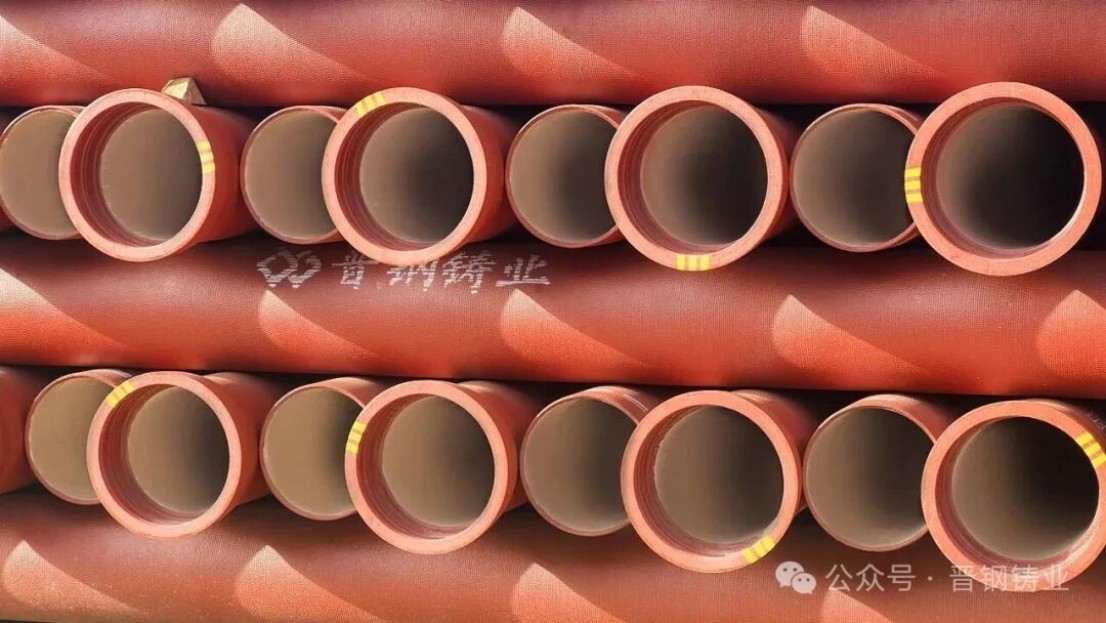
The cement lining is mainly applicable for the transportation of neutral or weakly alkaline water quality such as drinking water, raw water, and irrigation water. In the conventional water environment with a pH value ranging from 7 to 8, the durability of the cement lining is outstanding, effectively inhibiting the growth of microorganisms in the water and preventing pipe wall scaling. For conventional municipal water supply and rainwater drainage projects, the cement lining is undoubtedly an economical and practical choice. If the transportation medium temperature is between 50 and 70 degrees Celsius, or contains corrosive substances, a high-alumina cement lining can be selected, which has better high-temperature resistance and acid corrosion resistance.
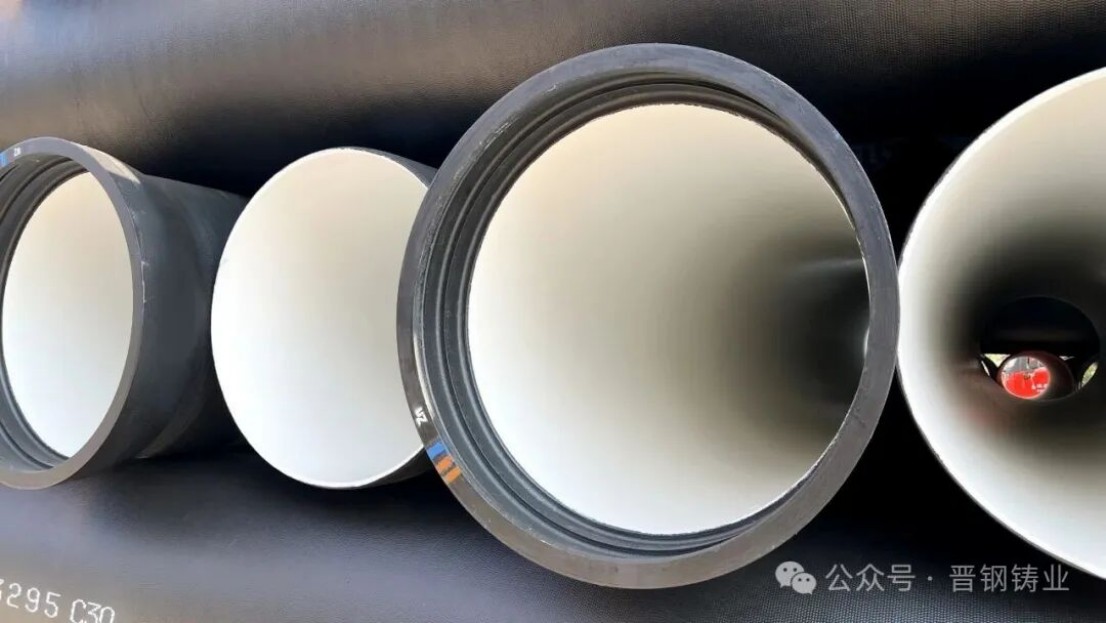
The epoxy resin lining represents the "high-performance protection" direction. It is based on the cement lining and an additional water-based epoxy resin coating with a thickness of ≥ 200 μm is sprayed on top, forming a dual protection system of "cement + epoxy resin". This lining has extremely strong adhesion, resistance to acid and alkali corrosion, wear resistance and impact resistance, and the surface smoothness is improved by 30% compared to the traditional cement lining. It can significantly reduce water flow resistance and reduce water transmission energy consumption.
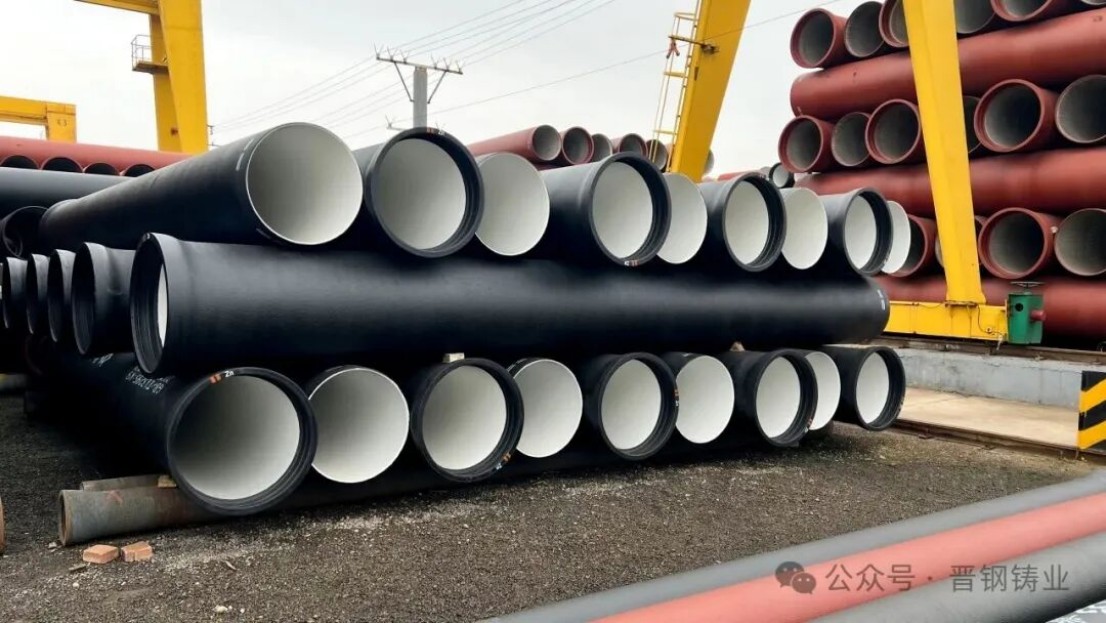
More importantly, even if the epoxy layer is partially damaged, the underlying cement lining can still continuously inhibit corrosion in an alkaline environment, achieving "active + passive" dual corrosion prevention. For direct drinking water projects, high-corrosion industrial wastewater transportation, desert arid regions (anti-static, wear-resistant), or long-distance high-pressure water transmission projects, the epoxy resin lining can provide more reliable full life cycle protection.
The key to choosing which type of lining to use lies in the actual engineering requirements.
If the project budget is limited, and the conveyed medium is conventional raw water or rainwater, the cement lining is sufficient to meet the requirements, and the maintenance cost in the long term is low.
If the project has extremely strict requirements for water quality, the transporting medium is highly corrosive, or it is located in a special environment (such as high salt content, high wear), then the long-term benefits of the epoxy resin lining will be more significant.

